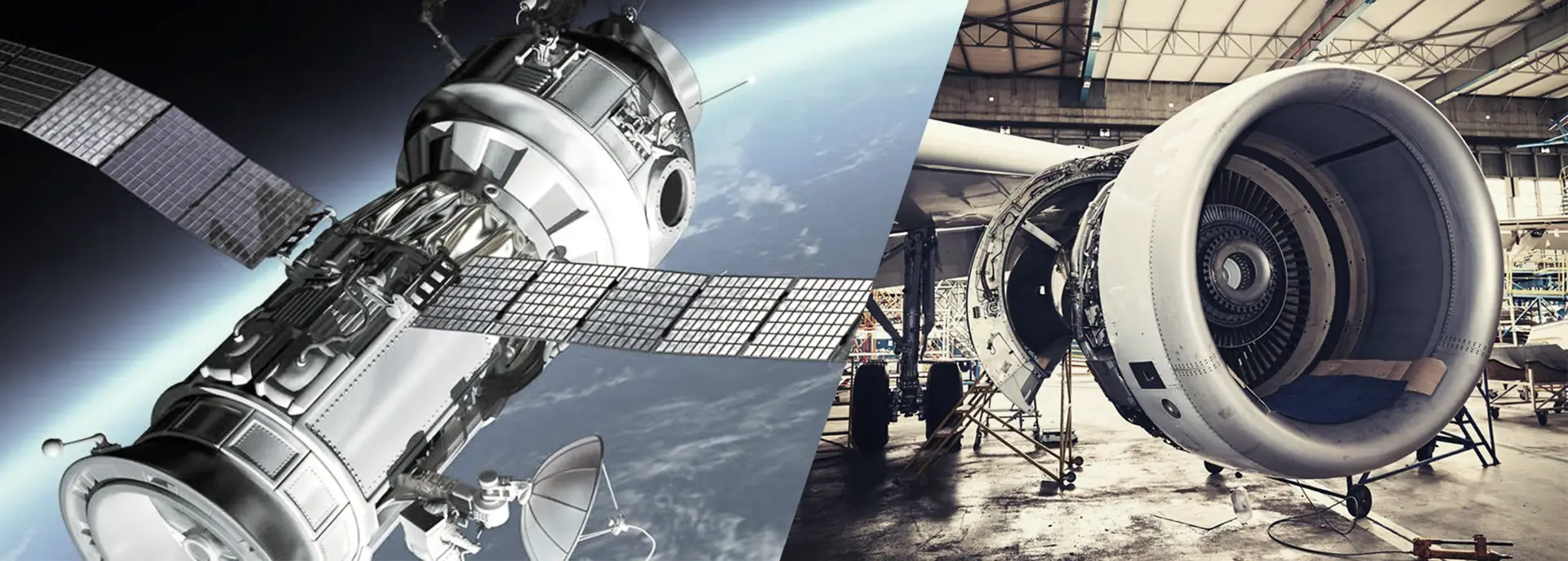
Aerospace is built on precision, performance and safety. The processes that make flight hardware last, from plating and anodizing to surface preparation and painting, also produce wastewater carrying chromium and nickel. Both are tightly regulated, and both demand treatment that is reliable every single day.
Where the metals come from
- Chrome plating. Chromium is prized for corrosion and wear resistance on critical components. Plating and rinsing carry it into wastewater, including the highly regulated hexavalent form.
- Nickel plating. Nickel protects parts, underlays other coatings and adds material properties. Rinses and bath maintenance are the main sources.
- Anodizing. Chromic acid anodizing protects aluminum alloys and adds chromium to rinse streams.
- Surface treatment and cleaning. Degreasing, etching and chemical milling dissolve metal from the parts themselves.
- Paint shops. Chromate primers and equipment cleaning add chromium to wash water.
Why it matters
Hexavalent chromium is highly toxic to aquatic life and a known human carcinogen, and nickel is toxic at industrial discharge levels. Aerospace facilities face some of the strictest discharge limits anywhere. Conventional precipitation adds chemicals and produces hazardous sludge that is costly to dewater, haul and dispose of.
How Metafix treats it
The RT3 uses our patented metallic-exchange media to capture copper, chromium, nickel, silver and gold as rinse water flows through its filter columns. Effluent leaves at under 1 ppm and flows to drain by gravity. There is no chemical dosing and no hazardous sludge to manage.
- Scales with your line. Start at 8 L/min (2.1 gal/min) with a 4-column crate and step up to 16 L/min (4.2 gal/min) with a SuperPac-8.
- Built-in safeguards. Level sensors, a pressure transducer and wet-tray leak detection protect the system and the floor.
- Less water in. The RW3 keeps rinse tanks in spec and adds water only when conductivity calls for it, so there is less wastewater to treat.
- Silver too. In-house NDT labs recover silver from their film chemistry with the MBX-1000.
- Monitored 24/7. Metatrax tracks every system and emails your team when something needs attention.
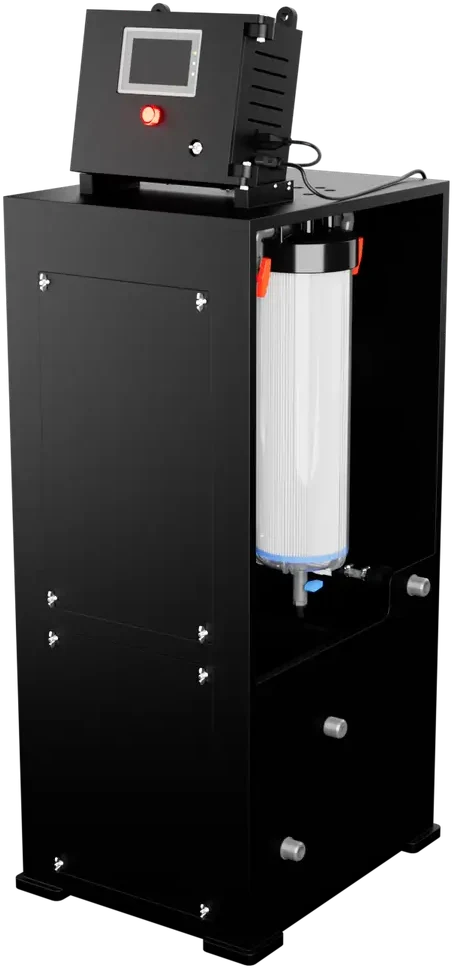
Removes Cu, Cr, Ni, Ag and Au to under 1 ppm, safely to drain, with zero hazardous sludge.
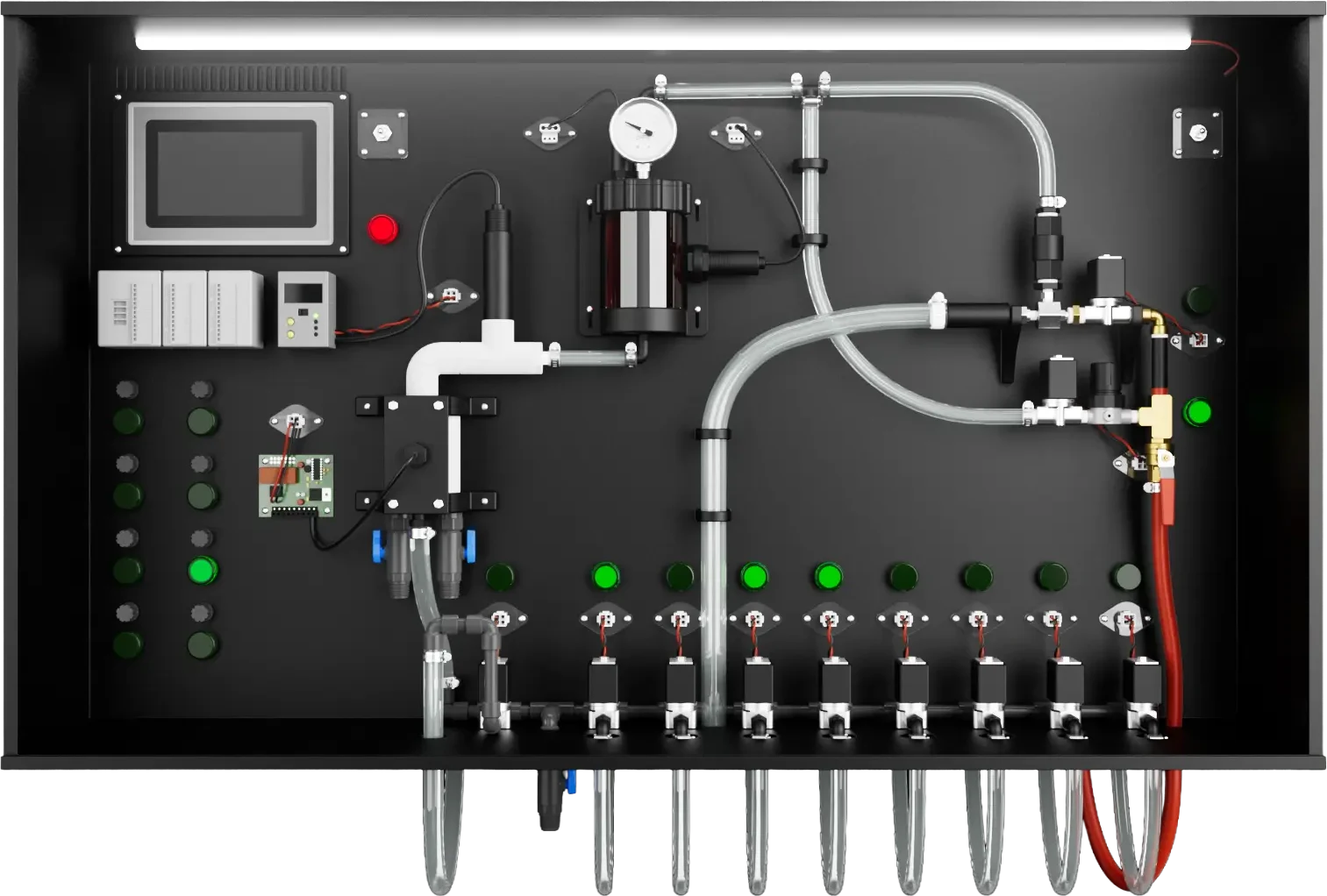
Monitors up to 8 rinse tanks with pump-less venturi sampling and adds water only when needed.
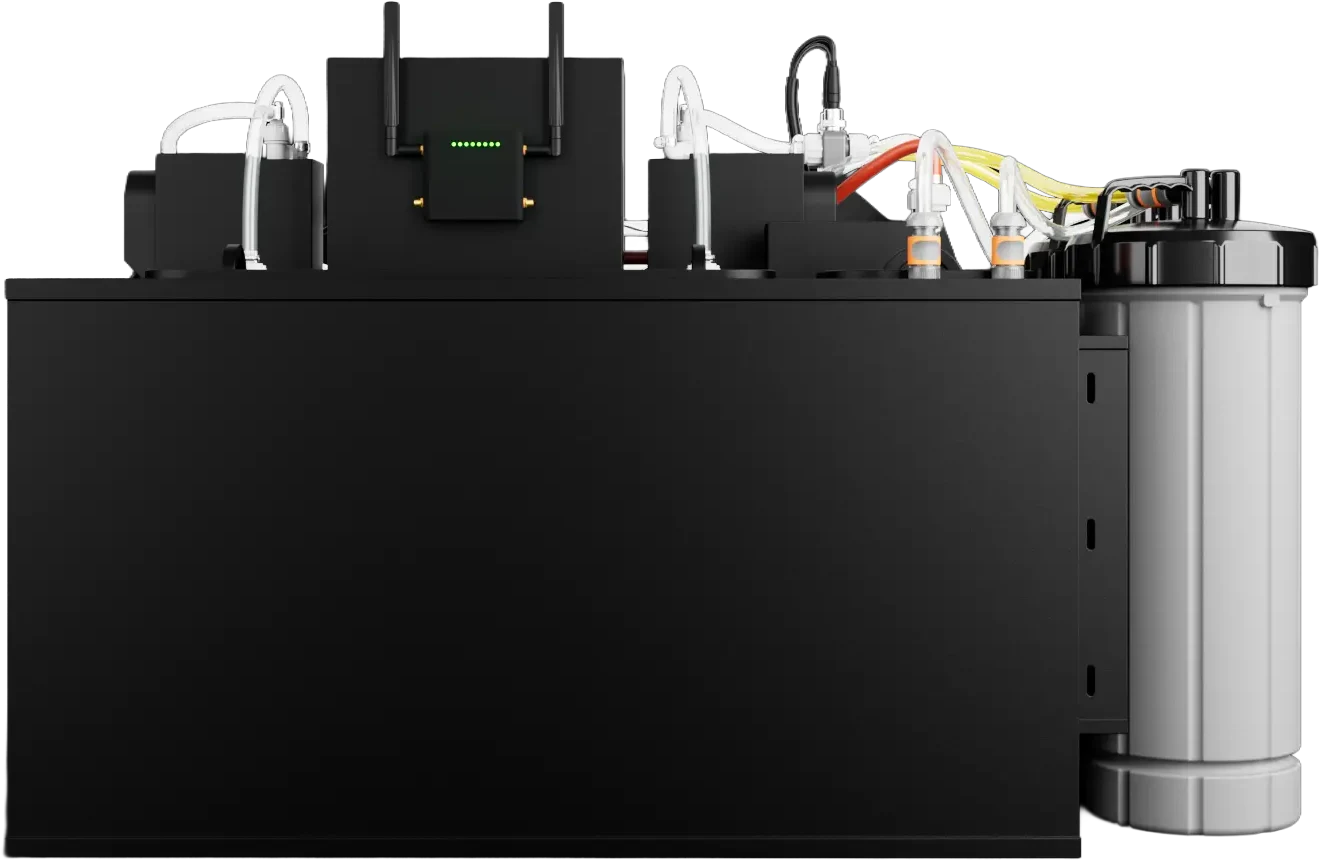
Recovers 99.99% of the silver from the fixer and developer of up to 5 processors, with no chemicals and no toxic sludge.
The bottom line
Chromium and nickel will always be part of aerospace manufacturing. Hazardous sludge and compliance worries do not have to be. With 38 years of experience and more than 200 units in operation, Metafix helps aerospace manufacturers treat heavy metals at the source and keep their focus on building the future of flight.