

Chrome plating, chromic acid anodizing and chromate primers all put chromium into rinse water. Chromium is one of the most tightly regulated metals in industrial discharge, and conventional treatment leaves you with hazardous sludge to haul away. The RT3 captures chromium on site and sends clean water to drain at under 1 ppm, with no treatment chemicals and no hazardous sludge.
Where chromium comes from
- Chrome plating. Plating baths and the rinses after them carry most of the chromium load.
- Chromic acid anodizing. Protecting aluminum alloys adds chromium to rinse streams.
- Paint shops. Chromate primers and equipment cleaning add chromium to wash water.
- Batch dumps. Spent baths add slugs of metal to the stream.
Why conventional treatment falls short
Chemical precipitation adds treatment chemicals and produces hazardous sludge that is costly to dewater, haul and dispose of. Every load of sludge is another cost and another record to keep.
How the RT3 treats chromium
- Metallic exchange. Rinse water flows through filter columns packed with our patented metallic-exchange media, which capture chromium as the water passes.
- Under 1 ppm to drain. Treated water leaves at under 1 ppm heavy metals and flows to drain by gravity through 3/4″ piping.
- No chemicals, no sludge. Nothing is dosed, and captured metal stays in the columns.
- Scales with your line. 8 L/min (2.1 gal/min) with a 4-column crate, 16 L/min (4.2 gal/min) with a SuperPac-8.
- Built-in safeguards. Level sensors, a pressure transducer and wet-tray leak detection protect the system and the floor.
- Monitored 24/7. Metatrax tracks every system and emails your team when something needs attention.
- Less water to treat. The RW3 keeps rinse tanks in spec and adds water only when conductivity calls for it.
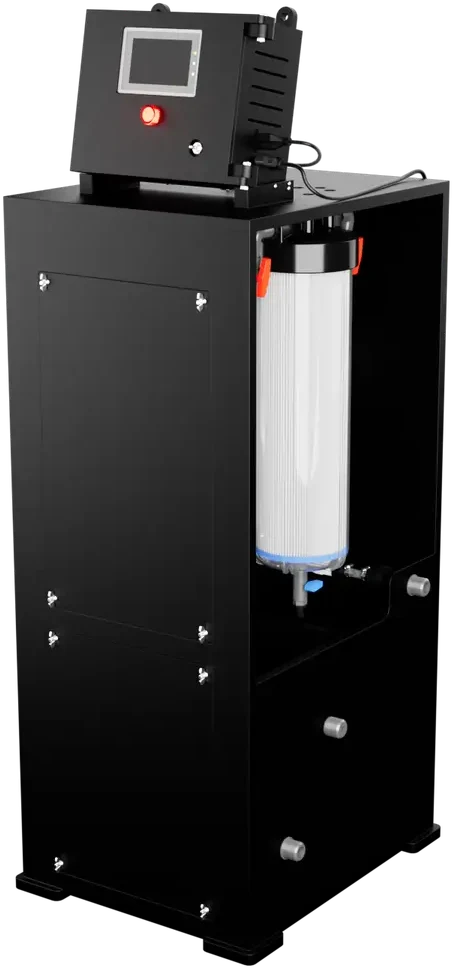
Removes Cu, Cr, Ni and Ag to under 1 ppm, safely to drain, with zero hazardous sludge.
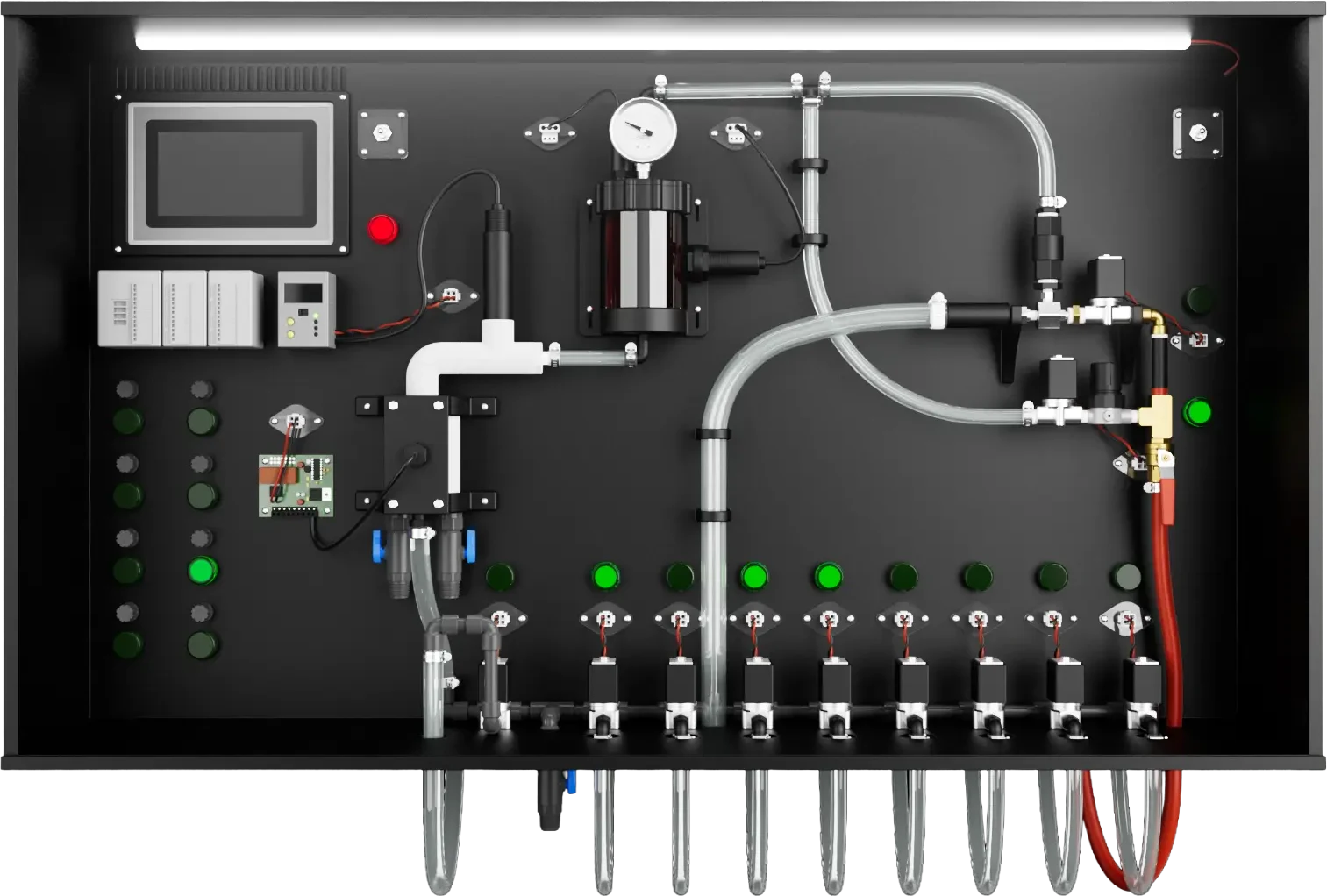
Monitors up to 8 rinse tanks with pump-less venturi sampling and adds water only when needed.
Who uses it
Aerospace plating and anodizing lines, and metal finishing and electroplating shops. The same RT3 also treats copper, nickel and silver, so one system covers a mixed stream.